Somewhere along the way, prayer picked up a dress code. Kneel here, use this posture, don't say the word you're actually thinking, wrap up with a tidy "amen" before God notices you're a mess. None of that is in the actual instructions.
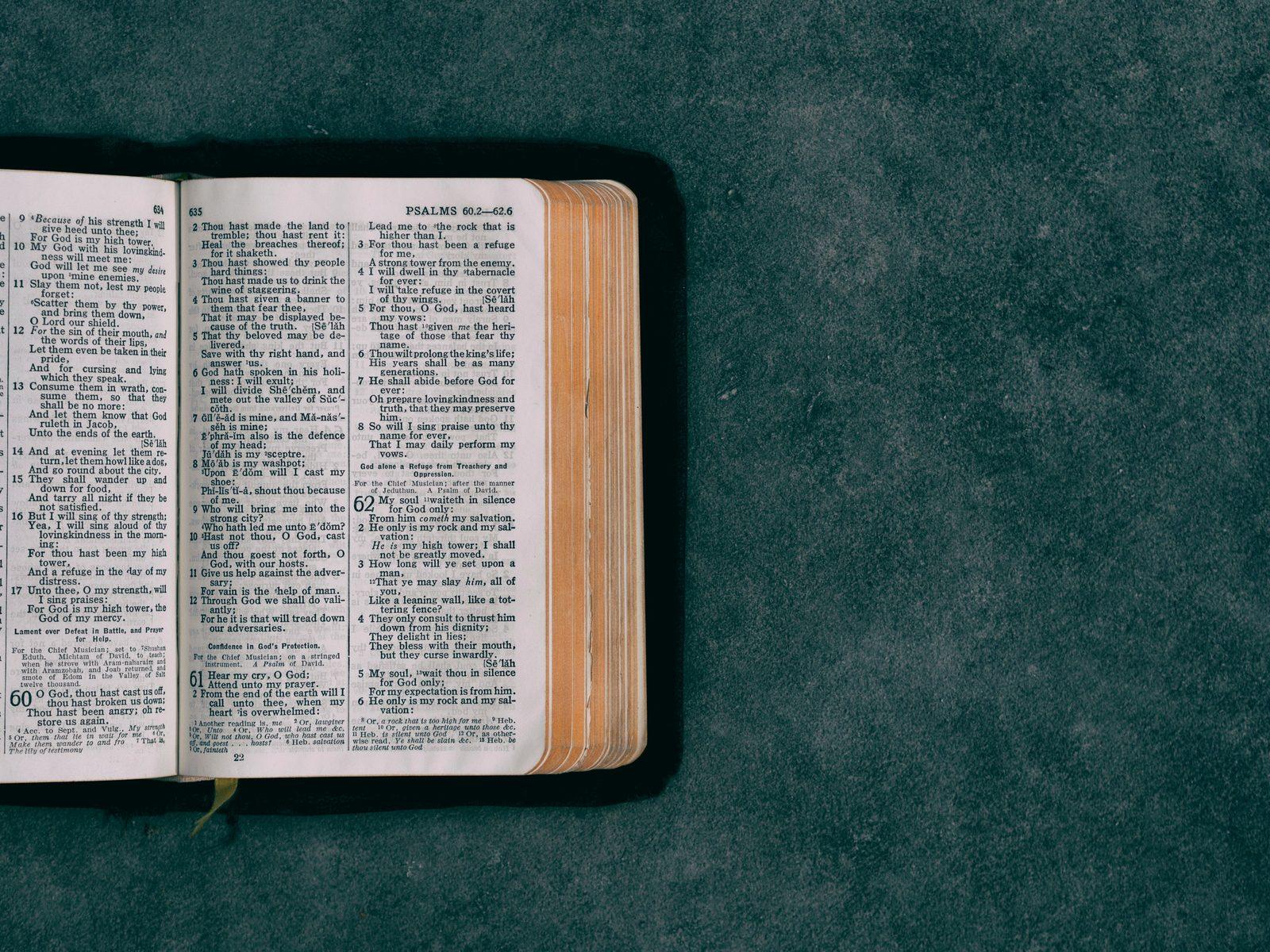
Psalm 51 is the confession of a king who slept with another man's wife and then had the husband killed. It doesn't read like a man managing his image. It reads like someone with nothing left to lose:
"The sacrifices of God are a broken spirit: a broken and a contrite heart, O God, thou wilt not despise."
Psalm 51:17
Not a clean spirit. A broken one. That's the sacrifice scripture describes God as wanting, written three thousand years before anyone worried about optimizing their spiritual routine.
St. Silouane, a monk on Mount Athos who spent decades in prayer, put his own honesty even more bluntly:
"Before the Lord I am wicked, uglier than a mangy dog, because of my sins. But I asked God to forgive them."
St. Silouane l'Athonite
A monk said that. Not a new believer fumbling through a first attempt. Someone who'd been praying for most of his life still showed up admitting he felt ugly to himself. He named the truth instead of managing it, and the very next line moves straight to being forgiven. Confession, not self-hatred. If that's where decades of practice lands you, a beginner's messy, half-formed prayer isn't a failure state. It's the actual shape the thing takes.
Perfection in prayer usually means one of two things: memorized language that sounds impressive, or a calm mood you're performing because you think that's what faith looks like from the outside. Neither one requires you to be honest. Both are easier than honesty, which is exactly the problem.
Try this instead. Say the actual sentence in your head right now, the one you'd never put in a group text. I'm furious at you for taking my dad. I don't know if you're real. I'm bored during this and I feel guilty about it. I don't want to be here right now, and I don't want to stop either. Say that sentence to God instead of the polished version you'd default to. It won't sound like a prayer from a devotional. It'll sound like you, which is the point.
The habit of praying daily works because you keep showing up. It falls apart if showing up means performing a version of yourself you can't sustain for more than a week. Bring the true sentence, however unfinished it is, and let it be enough. It already was.
None of this replaces the basics. If you're still working out how to start praying at all, or want a plainer answer to what prayer actually is, those pieces cover that ground.
Prayer Stone gives you a quiet, private room to bring the actual sentence — no audience, no performance, just you and a calm voice leading you through it.
Try Prayer Stone